

How to fix “Nothing ToWear” Syndrome: Defining your personal style and curating your closet.
Written by Valiski Bernard
Have you ever experienced that perplexing moment when your closet seems bursting at the seams, yet the phrase "I have nothing to wear" echoes louder than ever? The truth is far from a lack of options; it's a quest for inspiration and a deeper understanding of personal style. Let's embark on an intriguing journey to decode this mystery and unveil the countless outfit possibilities tucked away within your wardrobe.
Exploring Personal Style and Its Impact
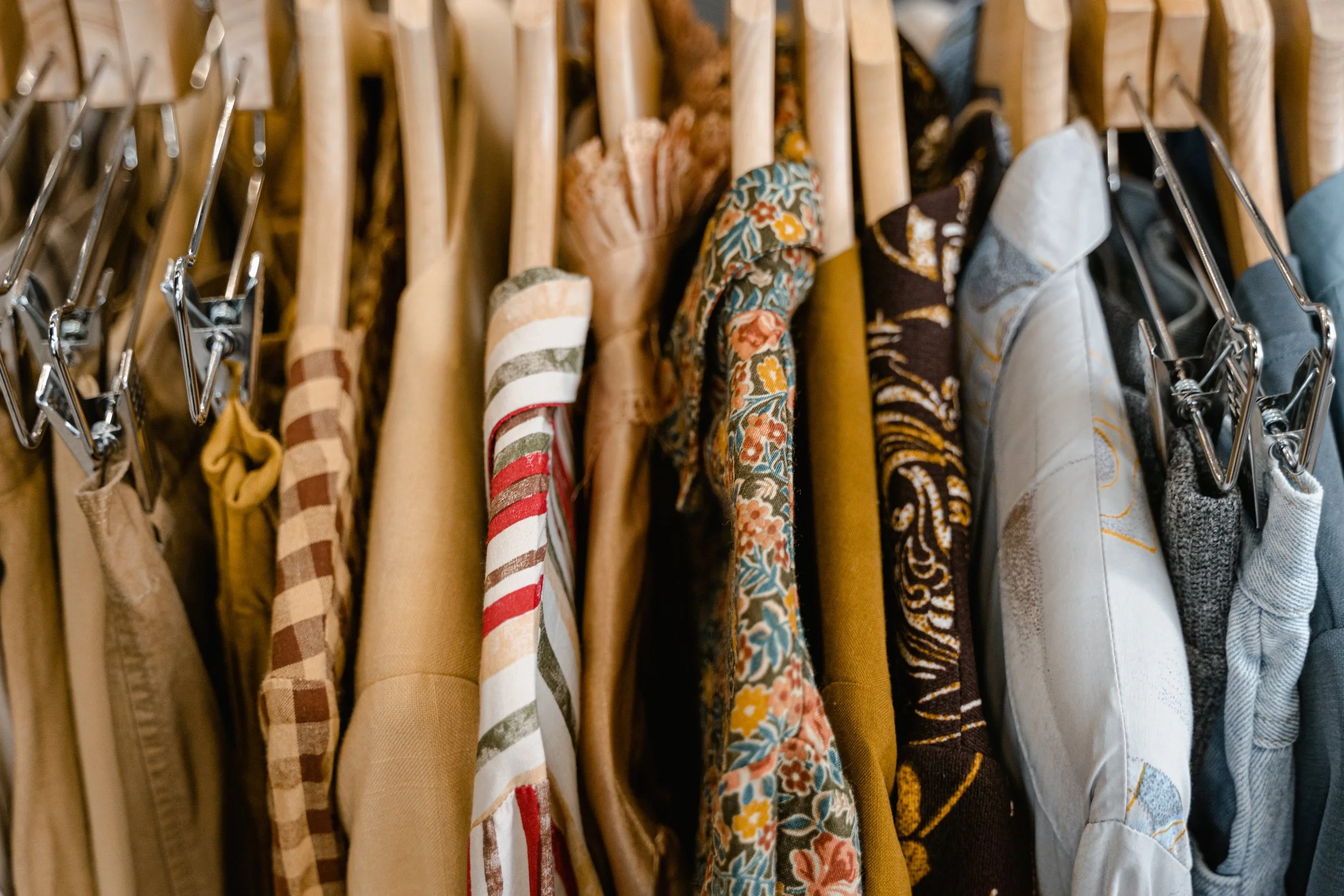
Beyond the garments hanging in your closet lies a world of personal style, a tapestry woven with your preferences, lifestyle, and personality. Defining and refining this style narrative is key to transforming your wardrobe into a realm of endless sartorial wonders. The clash between your wardrobe and your personal style often gives rise to the "nothing to wear" syndrome. Let's align your clothing collection with your style essence.
Personal Style Decoded
Your style isn't just about trends; it reflects your individuality. When it comes to your personal style, it's worth taking a few moments to think about what truly resonates with you. Do you find yourself gravitating towards sophisticated elegance with its clean lines, muted colors, and timeless pieces? Or maybe you prefer the laid-back comfort of relaxed fashion, with cozy fabrics, casual cuts, and an easy, effortless vibe? On the other hand, you could be drawn to bold and daring statements that get you noticed, with daring designs, bright colors, and unusual textures. Whatever your preferences may be, taking the time to reflect on them can help you create a wardrobe that truly reflects your unique personality and style. Understanding your lifestyle and the occasions you dress for can be a compass in this style journey.
When it comes to curating your closet, it's important to assess your current wardrobe against the essence of your personal style. Take some time to go through your closet and identify the pieces that don't align with your aesthetic or that you don't wear. These items can be discarded either by donating, selling, recycling, or by uploading them to ReSuit .
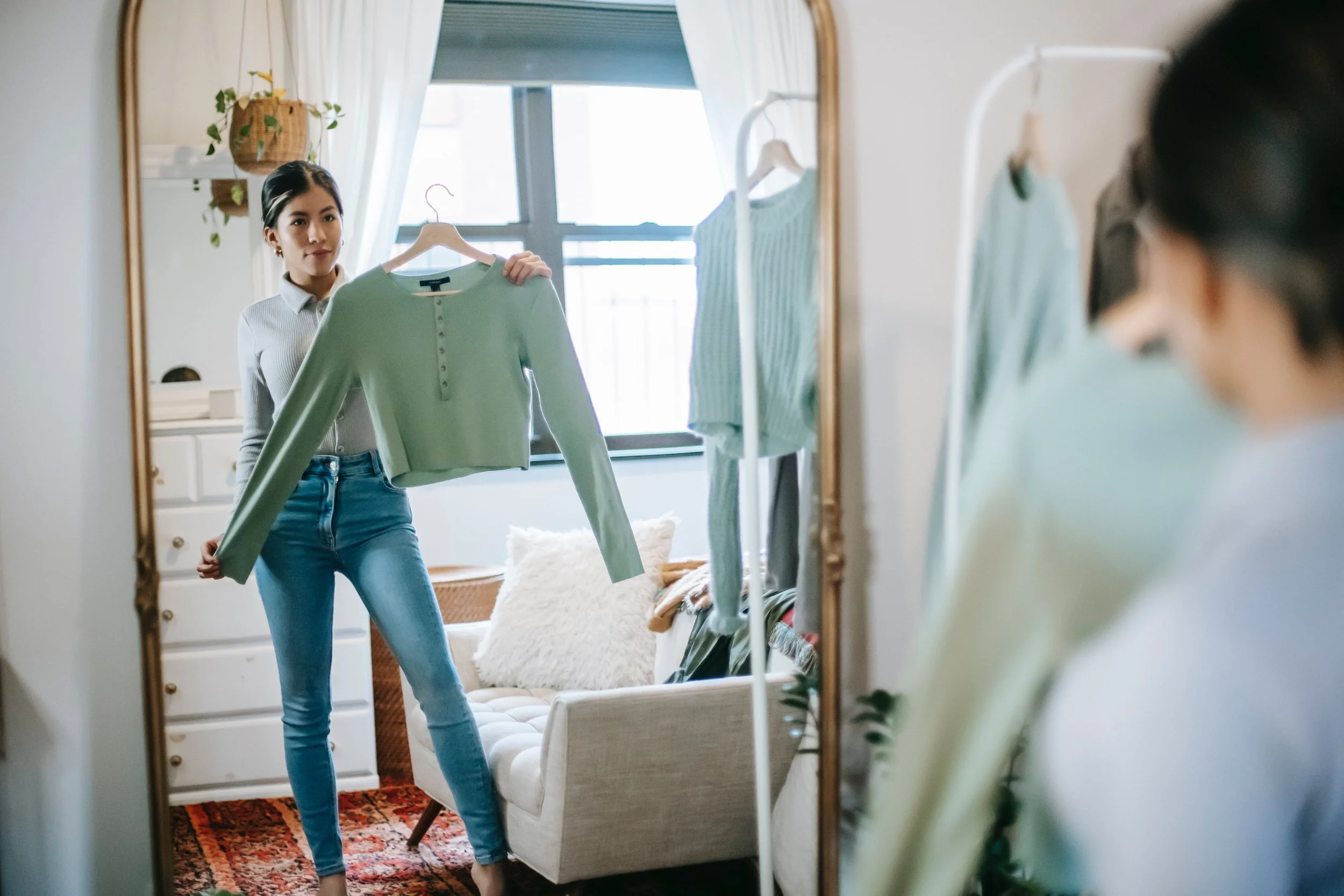
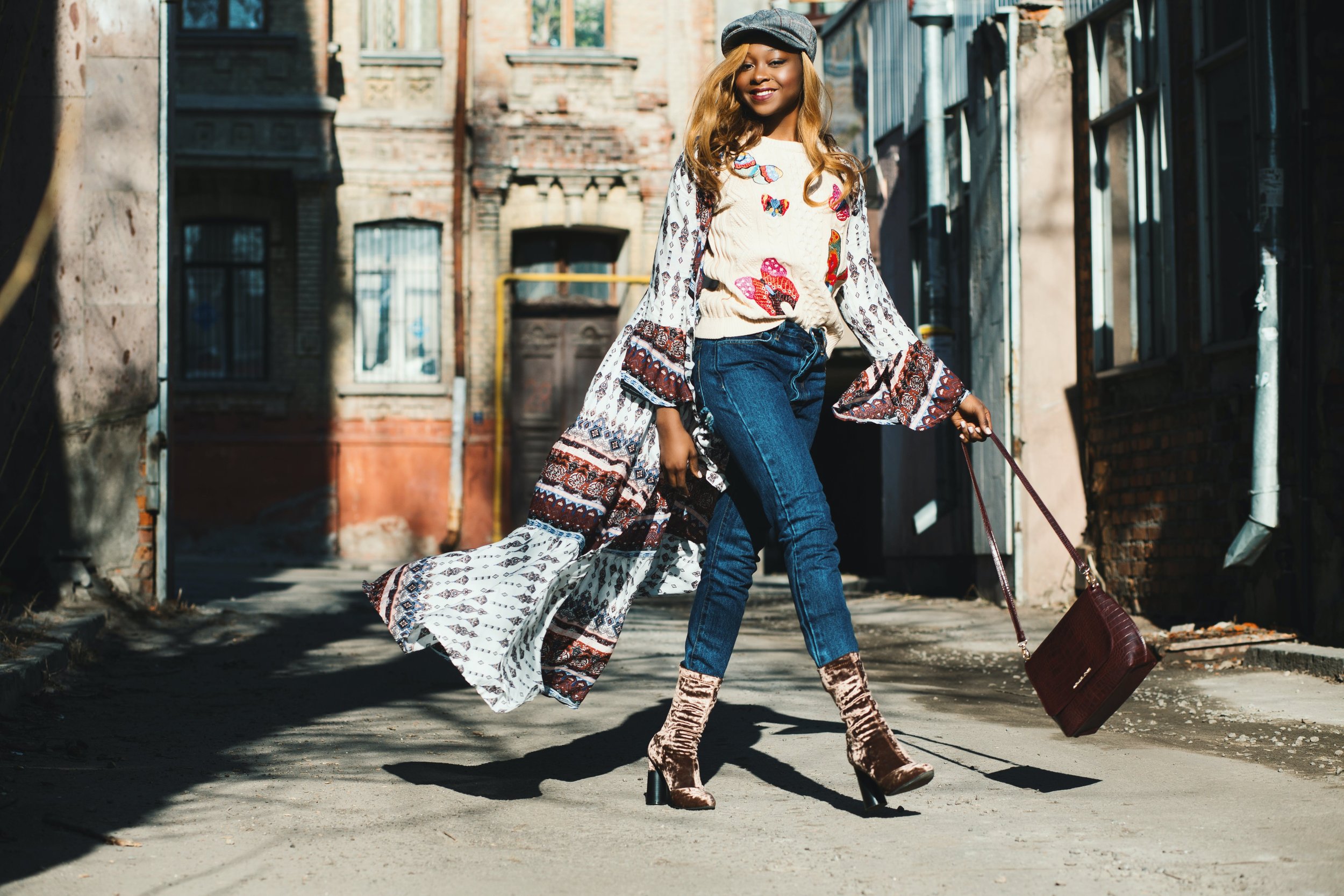
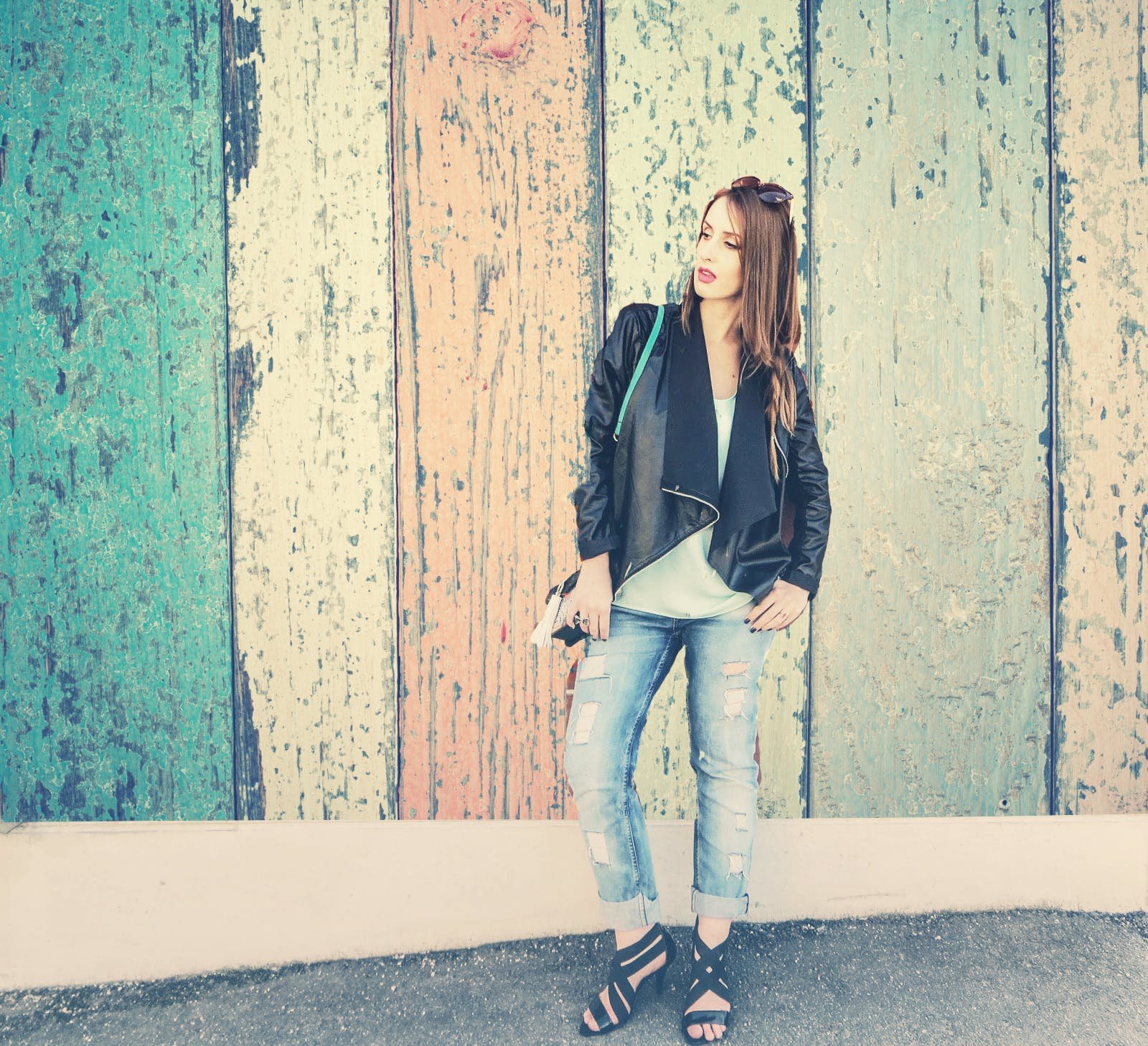
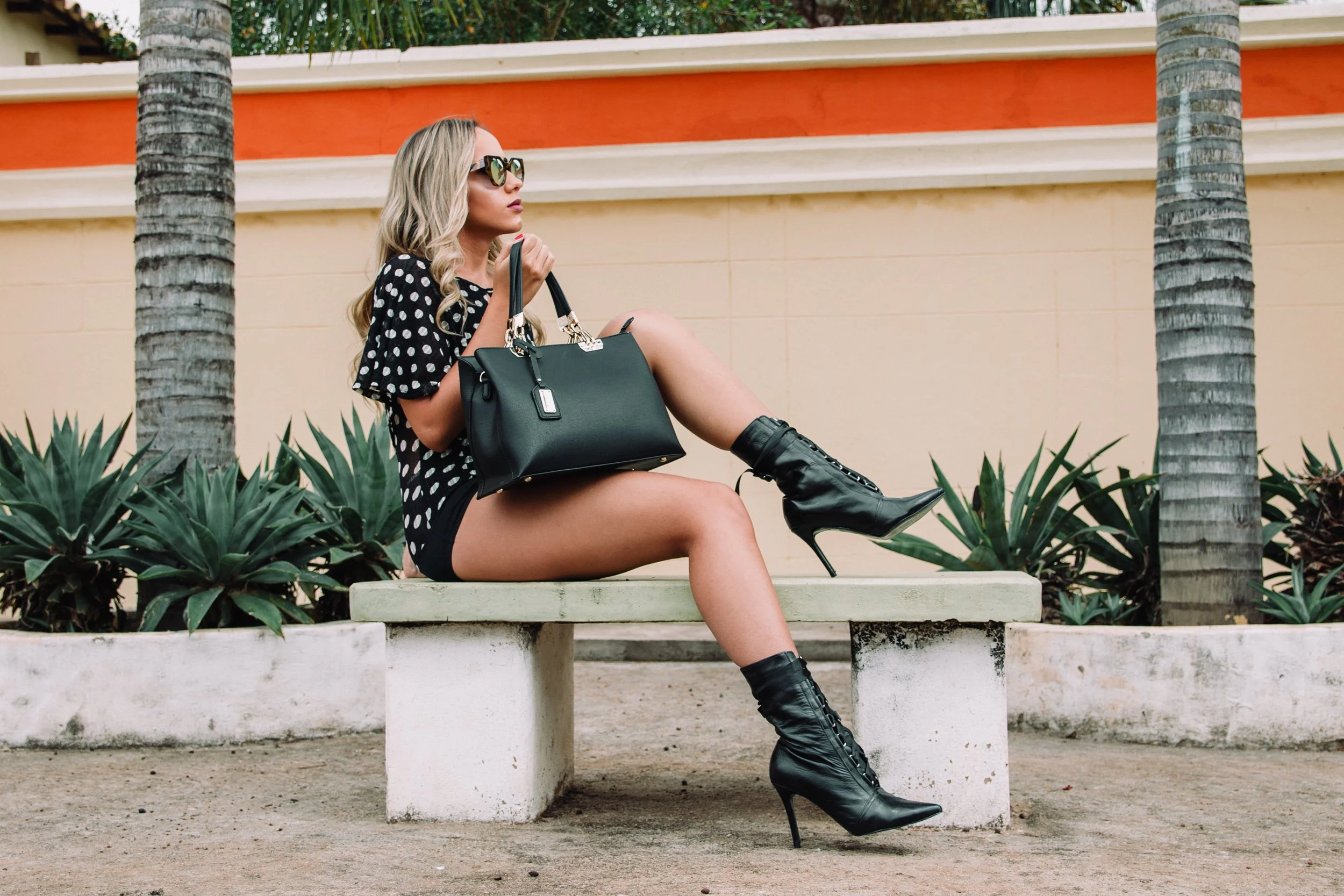
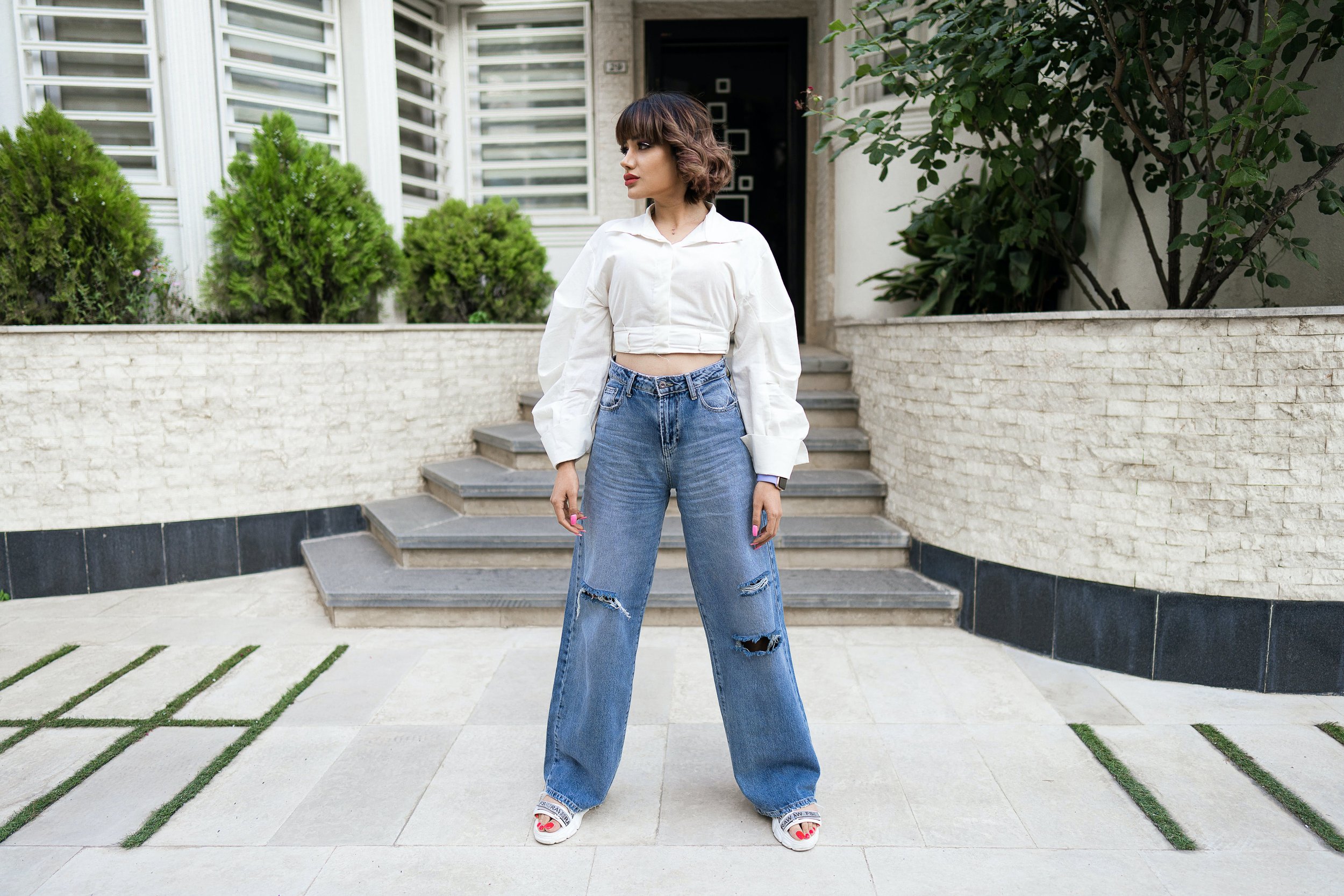
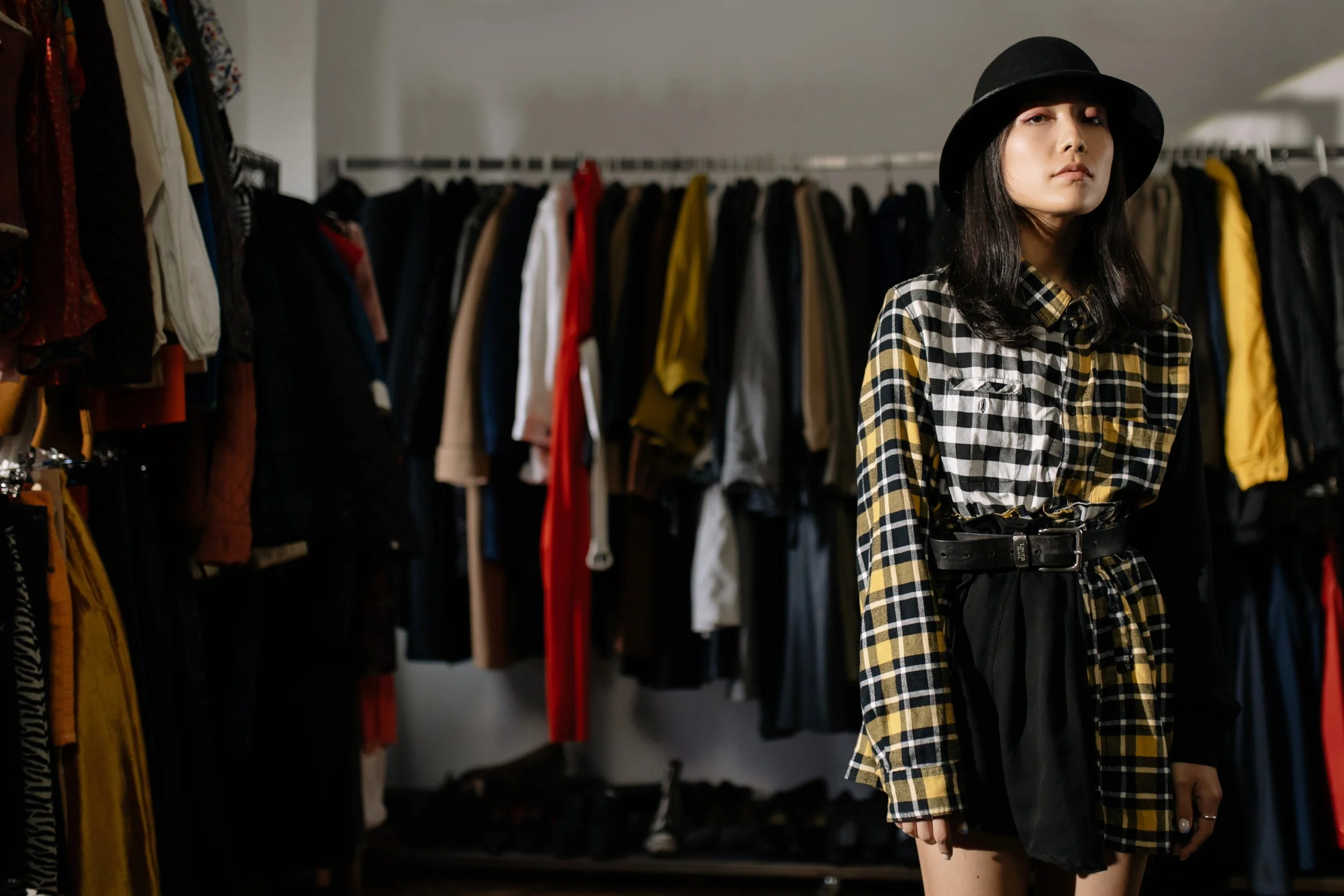
Once you have cleared out the unwanted items, it's time to invest in versatile basics and statement pieces that complement your chosen aesthetic. Basic items such as plain t-shirts, jeans, and neutral-colored blouses can be mixed and matched with other pieces in your wardrobe to create various looks. Statement pieces, on the other hand, can add interest and personality to your outfits. These can include bold prints, unique textures, and eye-catching accessories. By focusing on the pieces that fit your personal style, you can create a wardrobe that is both functional and fashionable. Plus, by being mindful of what you add to your closet, you can help reduce waste and make more sustainable fashion choices.
Creating versatile outfits is a crucial skill for anyone who wants to look fashionable and polished. One way to achieve this is by mastering the art of mixing and matching different pieces. By combining staples like a classic white shirt or a pair of jeans with statement items like a bold blazer or a statement necklace, you can create numerous outfits that are both innovative and unique. Experiment with different textures, colors, and patterns to create outfits that reflect your personal style. With a little creativity and practice, you can become an expert at mix-and-match techniques and elevate your fashion game.
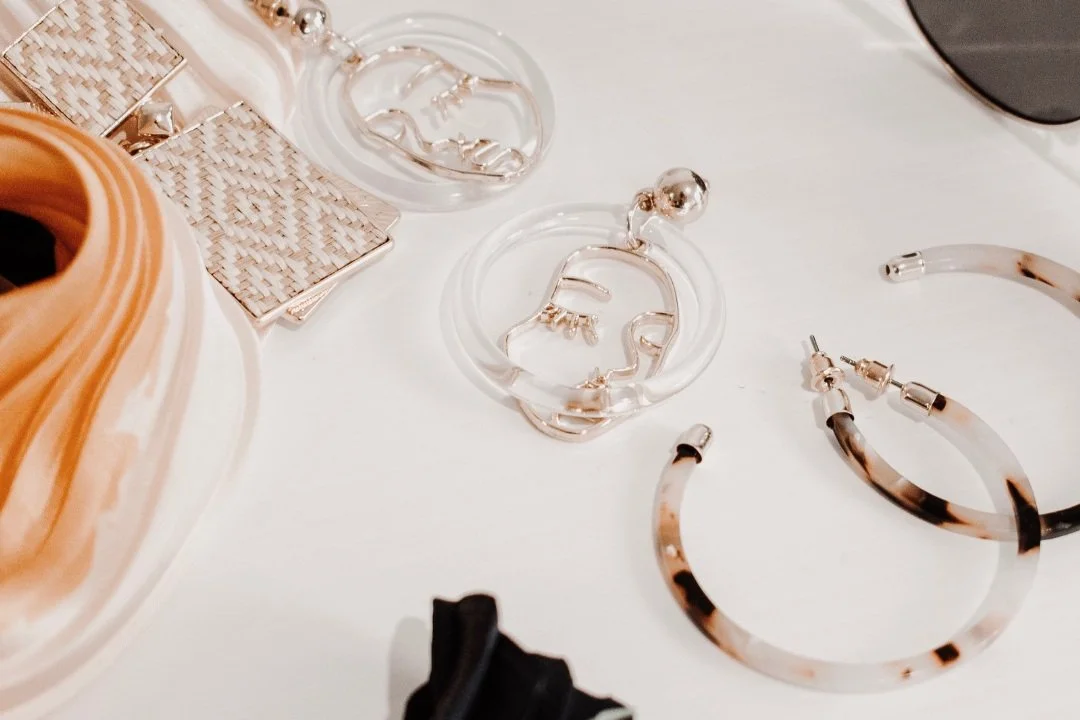
Accessories can have a transformative effect on your overall look. With just a few carefully chosen pieces, you can add a touch of personality and elevate your outfit to the next level. Belts, for example, can be used to cinch a dress or high-waisted pants, creating a flattering silhouette. Scarves can add color and texture, while hats can be both functional and stylish.
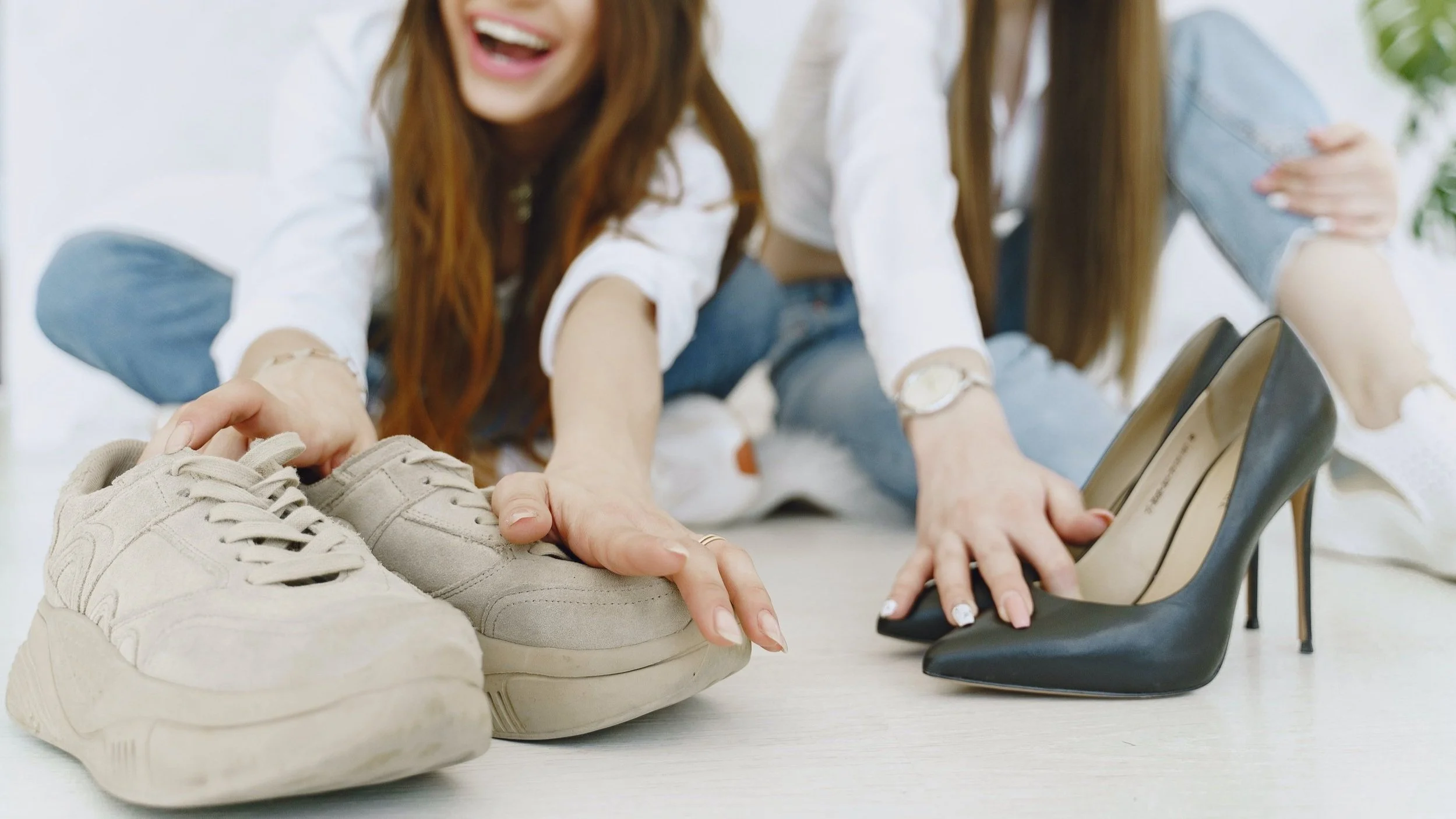
Shoes are an essential part of any outfit and can make a statement all on their own. And, of course, jewelry is a timeless way to add sparkle and shine to your look. So go ahead and experiment with different accessories to see how they can enhance your personal style and make you feel confident and put together.
Versatility
Exploring different styles within your wardrobe showcases creativity without being exclusive to a single signature style. Whether you prefer the sleek, modern look of contemporary fashion, or the timeless elegance of vintage clothing, blending different styles can help you create a fresh and innovative look that is truly your own. So, the next time you're planning your outfit, don't be afraid to mix it up a bit. Try pairing a vintage blouse with a modern skirt or pairing a casual t-shirt with a formal blazer. By experimenting with different combinations, you might discover a new fashion statement that perfectly reflects your unique style.
Adapting your personal style to different events and settings can greatly enhance your outfit. This transition requires subtle yet significant adjustments to various elements of your attire. To elevate a casual ensemble, try swapping out a relaxed t-shirt with a tailored blouse or a structured shirt for a sophisticated look. Similarly, replace everyday jeans or casual trousers with tailored pants or a sleek skirt made from quality fabrics for a more refined touch. Layering with a well-fitted blazer or a chic jacket can also instantly enhance the overall appeal, providing structure and elegance.
Accessories play a crucial role; opt for statement jewelry pieces like bold earrings or striking necklaces to infuse personality and elegance. Alongside jewelry, a classic handbag in a neutral tone can replace everyday totes, while footwear upgrades, such as sleek pumps or sophisticated flats, contribute to the polished look. Pay attention to hair and makeup by styling your hair in a more polished manner and slightly enhancing your makeup for a more defined yet elegant appearance. These nuanced adjustments effortlessly transition a casual attire to a refined, formal, or semi-formal ensemble, ensuring you appear appropriate and stylish for any occasion.
Seasonal Transitions
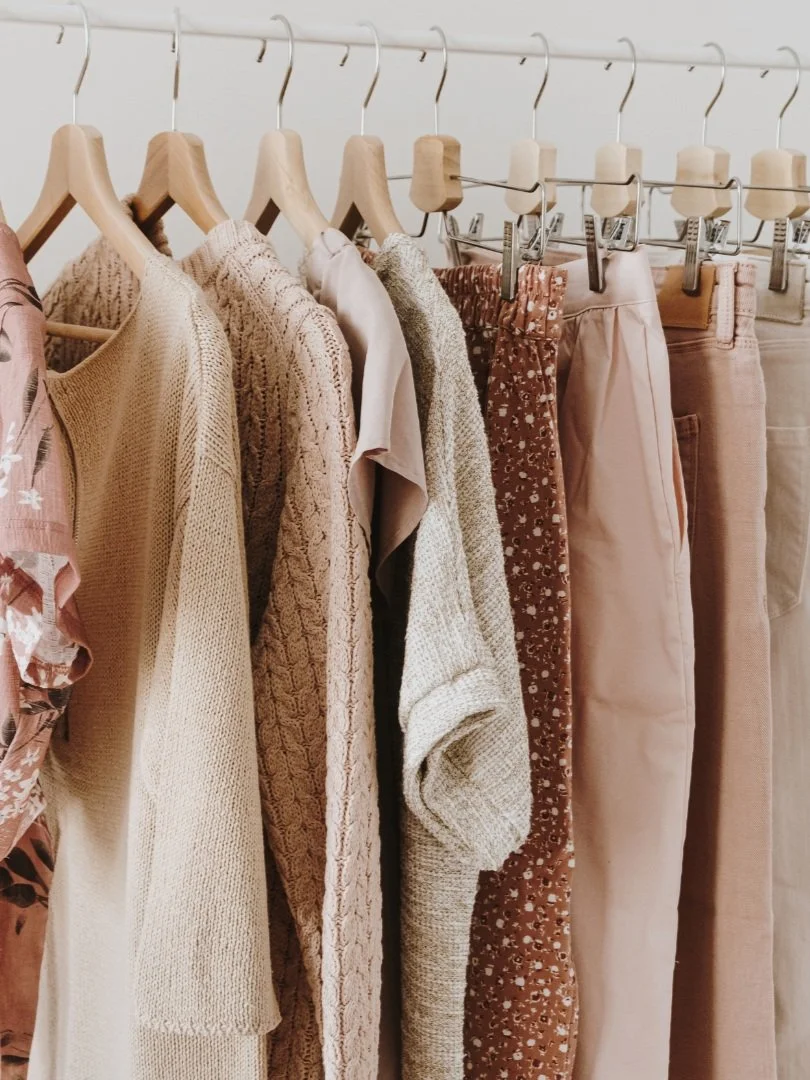
Embracing seasonal shifts in fashion involves a thoughtful reimagining of your wardrobe, allowing for a seamless transition of pieces from one season to another while maintaining your personal style.
One effective approach is to layer strategically. For instance, take your favorite summer dress and transform it for cooler weather by layering it with a cozy cardigan, complementing the look with tights or leggings and ankle boots. Transition your lightweight blouses or shirts from warmer months by pairing them with blazers or light jackets to adapt to fluctuating temperatures effortlessly. Experiment with different textures and fabrics; items like a denim jacket or a versatile trench coat can serve as transitional staples, adding a layer of warmth without compromising style.
Accessories play a pivotal role in this transition; scarves, hats, and statement jewelry not only add flair but also provide functional warmth.
Another important aspect is to find creative ways to repurpose certain clothing items. a summer maxi skirt can be paired with a cozy sweater or a fitted turtleneck to extend its wear into the colder months. Similarly, versatile pieces like a tailored pair of trousers or a structured dress can be easily styled for various seasons by changing accompanying layers or accessories.
By exploring these tactics—layering strategically, experimenting with textures, repurposing clothing items creatively, and utilizing versatile pieces—you can seamlessly transition your wardrobe from one season to another, ensuring that your style remains chic and adaptable, regardless of the weather changes.
Confidence
Confidence is the crown jewel of any outfit. Embrace your unique choices with poise and comfort, enhancing the allure of even the simplest combinations.
It's important to have confidence in your personal style. Embracing your uniqueness and owning your fashion choices, you can make even the simplest combinations stand out. Whether it's a bold accessory, a pop of color, or a daring silhouette, trust your instincts and let your individuality shine through. Remember, fashion is not just about following trends, it's about expressing yourself and feeling good in what you wear. So, don't be afraid to take risks and experiment with different looks until you find the one that truly reflects your personality and makes you feel confident and beautiful.
It’s also essential to prioritize both comfort and style. Neither of them should be compromised. You should feel comfortable in what you wear because this enhances your confidence and charisma. When you are relaxed and at ease in your clothes, you will exude a sense of poise and self-assurance that others will admire. So, ensure that your clothing choices are not only fashionable and stylish but also comfortable enough to make you feel your best.
Body positivity. It's all about feeling confident and comfortable in your skin, no matter what your size or shape may be. By dressing to accentuate your best features, you can enhance your natural beauty and feel even more confident and empowered. So go ahead and show off your curves, your muscles, your freckles, or whatever it is that makes you uniquely you!
Unlocking the Depths of Your Wardrobe
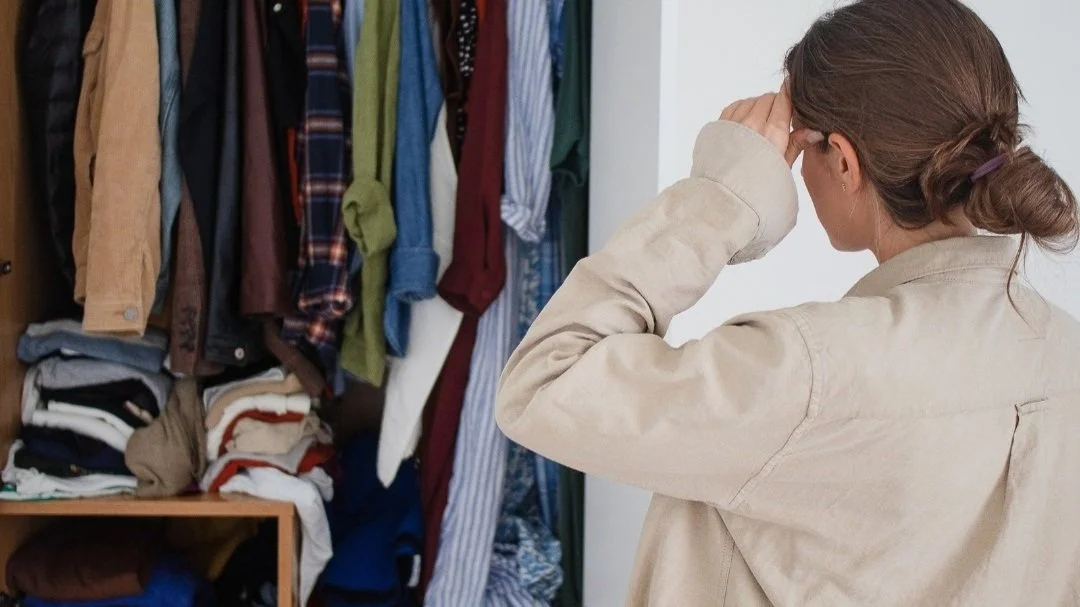
Now, let’s focus on the factors that contribute to the feeling of having nothing to wear and explore some solutions. The same rules apply whether you need to discover your personal style or already know what it is.
1. Lack of Inspiration:
Routine can dull our fashion sense, but finding inspiration from diverse sources, such as mood boards and fashion blogs, can reignite your style fire.
Create a Fashion Mood Board: Collect images, colors, textures, and styles that inspire you. Use this visual aid as a reference for crafting your outfits.
Explore Fashion Blogs and Magazines: Discover new trends, styles, and outfit ideas by exploring reputable fashion blogs, magazines, and social media platforms.
Experiment with Trends: Embrace trends cautiously. Experiment with new trends that resonate with your style, but don't feel compelled to follow every fad.
2. Overlooking Versatility:
Unleash the potential of each piece in your closet through creative mix-and-match sessions that break the boundaries of traditional pairings.
Wardrobe Remix Sessions: Dedicate time to experimenting with different combinations. Create new outfit pairings by mixing pieces you wouldn't usually wear together.
Layering and Styling Techniques: Explore layering and styling techniques to breathe new life into your wardrobe. Play with textures, lengths, and colors for a fresh perspective.
Statement Piece Transformation: Transform a basic outfit with a statement piece. Elevate a simple look with bold accessories, a striking jacket, or a unique pair of shoes.
3. Emotional Attachment:
Sentimental value often keeps prized clothes hidden away. Challenge yourself to incorporate these treasures into your daily wear, celebrating their significance.
Rotation of Sentimental Pieces: Integrate sentimental pieces into your regular rotation. Create new memories while wearing them to celebrate their importance.
Memorable Styling: Craft outfits around these pieces for special occasions or days when you want to feel a deeper connection with them.
4. Unexplored Wardrobe Gems:
Discover forgotten treasures by conducting personal fashion shows and experimenting with various styling options.
Rediscovery Sessions: Dedicate time to explore uncharted territories in your wardrobe. Try on forgotten pieces and experiment with various styling combinations.
Styling Exploration: Organize your own fashion show at home. Mix and match different pieces, noting the ensembles that resonate with your style.
Reviving Vintage and Classic Pieces: Incorporate vintage or classic pieces into modern outfits. Combine them with contemporary items for a timeless yet fresh look.
5. Mindful Shopping Habits:
Mindless shopping can clutter your closet. Prioritize quality over quantity and visualize how new purchases complement your existing wardrobe.
Intentional Shopping Lists: Create a shopping list based on your wardrobe needs and personal style. Prioritize items that fill gaps and complement existing pieces.
Versatile Investment Pieces: Invest in versatile, high-quality items that can be styled in multiple ways across different occasions.
Sustainable Fashion Choices: Consider sustainability in fashion. Opt for ethical brands or second-hand items that align with your style and values.
6. Capsule Wardrobe Mastery:
Curate a capsule wardrobe, a blend of essentials and statement pieces, enabling maximum versatility with minimal items.
Identifying Core Pieces: Define the core items that form the foundation of your wardrobe. These could include tailored blazers, classic shirts, well-fitted jeans, etc.
Complementing with Statement Pieces: Add statement pieces and accessories to complement your core items.
The process of overcoming "Nothing To Wear" syndrome and defining your personal style is a transformative journey that intertwines the rules that guide both endeavors. Your wardrobe, which was once a confusing maze, becomes a canvas for self-expression. By aligning your clothing collection with the essence of your personal style, you can transcend the paradox of abundance and emptiness within your closet.
In essence, the rules governing the discovery of personal style mirror those needed to conquer the "Nothing To Wear" syndrome. Both quests revolve around introspection, creativity, and deliberate choices. Your wardrobe, once a puzzle, transforms into a reflection of your unique story—a testament to your evolving, confident, and stylish self.